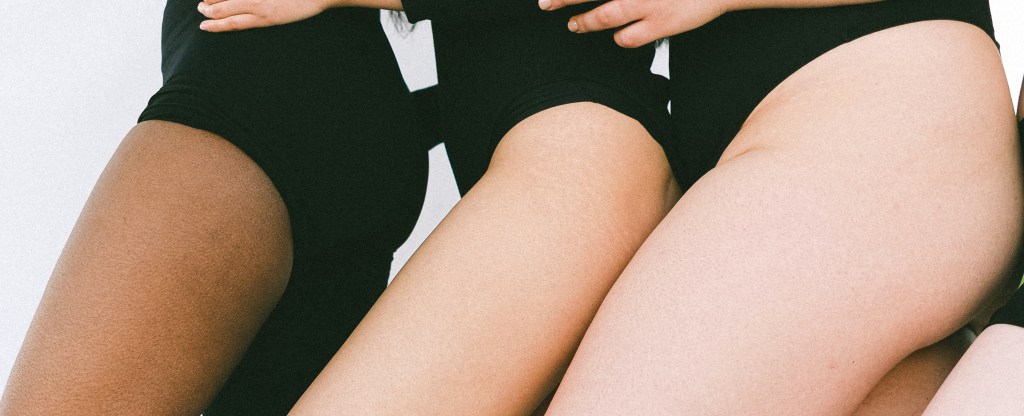
Before I delve into the mid-size ‘movement’, I want you to say something with me. F-A-T. Fat. Say it, get your mouth around it. Fat fat fat fat fat. Fat is a descriptor. It is not a bad word. Before we delve into this, I need you to understand that. There’s so much personal and societal unpacking that we all need to do around the notion of fatness, myself included. Fat is not a bad word.
You may be thinking, ‘Rosie, why are you bringing this up?’ Well, this post is about body types, body image, and the treatment of body types, so of course I’ll be using words like fat and slim. Every time I use the word fat in this post, I need you to know it’s not a negative. Push away that little voice in your head that associates fatness with being unfit or unworthy. It’s a descriptor, a body type, an adjective. I need you to read this post with the eyes of body neutrality, so we can get down to business; unlearning, re-learning, and dismantling outdated systems! I don’t know about you, but I love dismantling outdated systems on a rainy afternoon…
It’s no secret to anyone that I’m not slim.
I’ve got a soft belly, wobbly thighs, and an hourglass figure that goes in in the middle and out everywhere else! I’m the average height, bra size, and clothing size for a woman my age in the UK – practically average in every way. Whilst I think we shouldn’t restrict bodies to mere types, sometimes it’s useful; for example, finding positive representation online. And considering that, I see myself as mid-size. I’ve written a post all about what mid-size is and what it is to be a mid-size woman. Buuuut if you fancy an informal definition, I’d say being mid-size is all about being in the middle of what the fashion industry calls straight-size and plus-size. Typically, to be mid-size is to be between a UK size 12-16, but this is also subjective.
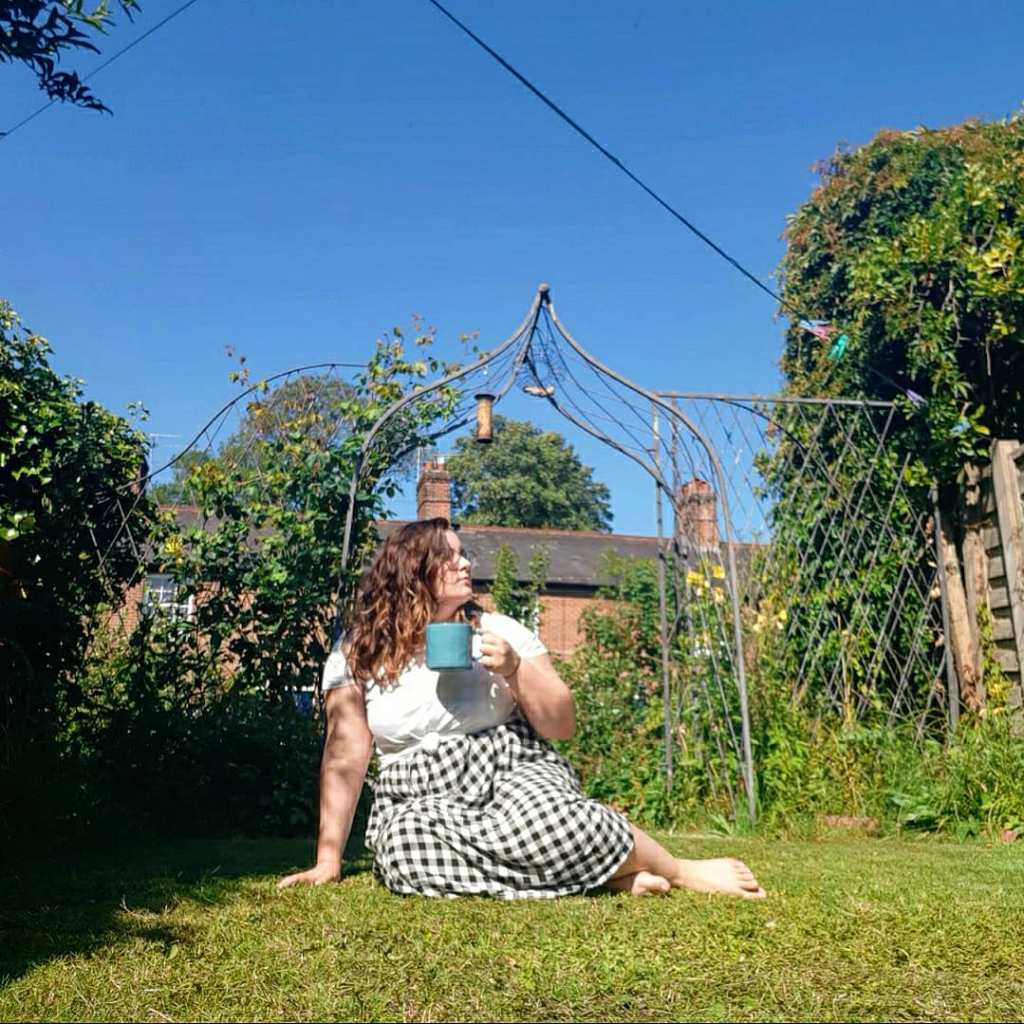


I’ve been happily plodding along in my mid-size body for a few years now, trying to unpick the negativity I’ve been taught by the world about having a soft, wobbly, and podgy body. But recently, I came across a short thread on Twitter, where someone said ‘why don’t the mid-size lot just call themselves plus-size?’ and called anyone who called themselves mid-size ‘anti-fat’. Like a fool, I didn’t check to see if this was a genuine concern from someone who was plus-size, or if it was a rando on the internet being a rando on the internet. I just let the words stab me in the gut. My brain went into overdrive. Was calling myself mid-size a bad thing? Was I damaging the communities I was trying to support? Was I shouting into my own echo chamber?
This likely throwaway comment has been all I’ve been thinking about for weeks now, and that’s no exaggeration. I am such a people-pleaser and do-gooder, that the idea of hurting someone or a community shocks me to my core (therapy, have fun unwrapping that one). So I’ve made it my goal to get to the bottom of the question ‘is the mid-size movement anti-fat?’. I’m very aware that I am coming at this from an angle of someone who lives in a body neutrality bubble, whose body isn’t a societal ideal, and someone who identifies their body as mid-size. So, I want to make this a discussion. I want to know what people who are mid-size or plus-size think, if you think it’s negative, positive, anything in between. I’m so keen to learn and take in other people’s experiences so I can be a better activist and ally!
With that in mind, let me break down my answer to the question ‘is the mid-size movement anti-fat?’
The first thing that helped me come to some kind of answer was to actually define what it is to be straight-size, mid-size, and plus-size. These terms are so subjective to groups and individuals, so there aren’t really any cut-in-stone definitions. Therefore, I’ve created an analogy to highlight the differences.
Imagine that you are going to your typical high street clothes shop – I’m thinking Primark or New Look. If you can shop how you like, have limited issues with finding clothes in your size, and don’t struggle much with having clothes actually fitting you, then you would typically be ‘straight-size’. High street clothes brands typically cater their clothing to those who are size 10 or under. Anything else is simply made bigger as they go up in size; no proportions are changed, just more fabric used. That’s where ‘mid-size’ comes in. You might have to be spread across different clothing sizes for different styles of clothing, but you can tend to find your sizes in these high street shops – the clincher is that a lot won’t fit you because the template isn’t made for your body. That, typically, is the ‘mid-size’ struggle. If your clothing size isn’t accounted for, there’s less clothes in your size, or you are sent to the ‘curvy’/’plus’/’real’/’extra’ section of the shop (which is usually an abysmally small corner), then you are typically ‘plus-size’. Want to know why? Well, the fashion industry is sizeist of course!


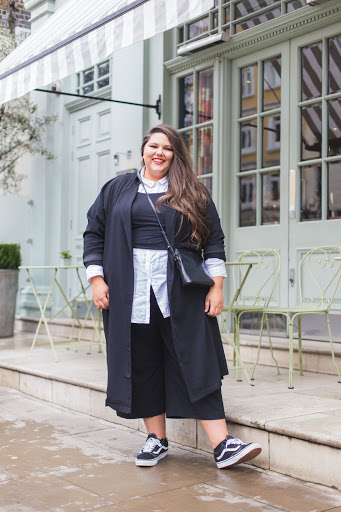
On paper, the fashion industry is stuck in that 20th century mindset that you are either thin (good) or fat (bad) – just see heroin chic in the 90s and constant weight loss plans in ‘women’s magazines’.
So, clothes were made to fit one type of body (slim, thin, skinny, sample-size), and then simply sized up, with fat and non-slim bodies thrown on as an afterthought. It’s ridiculous to think this is still the case, but it’s true. Starting in the seventies, the body positivity and fat acceptance movement came along, namely spearheaded by fat, black women. The body positivity movement (or fat acceptance movement) was a social movement started by fat people to celebrate fat bodies, challenge society’s sizeist views, and to advocate for the acceptance and normalization of all body types. After years of hard work, body positivity is slowly, very slowly trickling into the fashion industry; big up to Chromat and Aerie for leading the pack here. So out of the dismantling of 20th century fashion/business models, and the body positivity movement of normalising bodies, mid-size was born.
To me, calling myself mid-size is not anti-fat. To call myself fat or plus-size would be to play into that idea that you are either thin or fat, no inbetween, and that anything that is not slim is by default is fat. To call myself plus-size would be the same as the fashion industry putting a size 14 model on the runway and going ‘hey, look, a plus-size person!’ (which they do in an act of performative size inclusivity). It would be a mis-representation, when fat acceptance and liberation is all about representing real, fat, plus-size bodies.
It’s important for me, and other people who are mid-size, to remember that our bodies bring us privilege. I have an hourglass figure that is currently in fashion, I have ‘acceptably’ wobbly legs and arms, and when I show my cellulite and stretch marks, in come the comments of ‘YAAAAS gal’, ‘hit them with that real body’, and ‘curves for daaaays’. Despite this, my body doesn’t get the same privilege as a slim body. Clothes aren’t made to fit me, media representation is meh, I’m always told to lose weight for any health concerns, and I’m unravelling years of systematic thoughts telling me my weight defines me. However, I do not have the same struggles that plus-size and fat people face everyday; they have the above struggles and more. Fat people constantly have their body type being ripped apart in the media, are told they are unfit after one look, are ignored by the fashion industry, and they receive neglect at the hands of healthcare professionals – the list goes on.
To be mid-size, or to call yourself mid-size, is to support the normalisation of all ‘non-normalised’ types; fat, chubby, disabled, all races, all representations.
It is to push back against the stereotype that there are only two body types, and that only one is good. All bodies are good bodies. But to be involved in the body positive or neutrality movement is to remember privilege. Whilst being mid-size comes with societal barriers, we must remember where mid-size came from. It came from the body positivity movement, from the hard work of fat people normalising fat bodies.
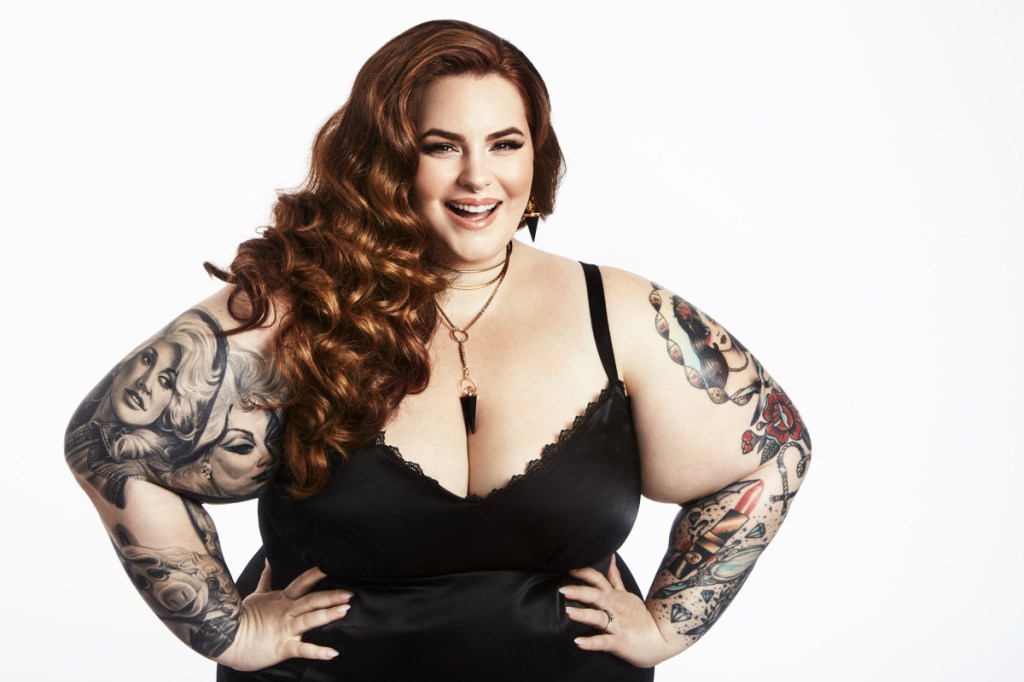



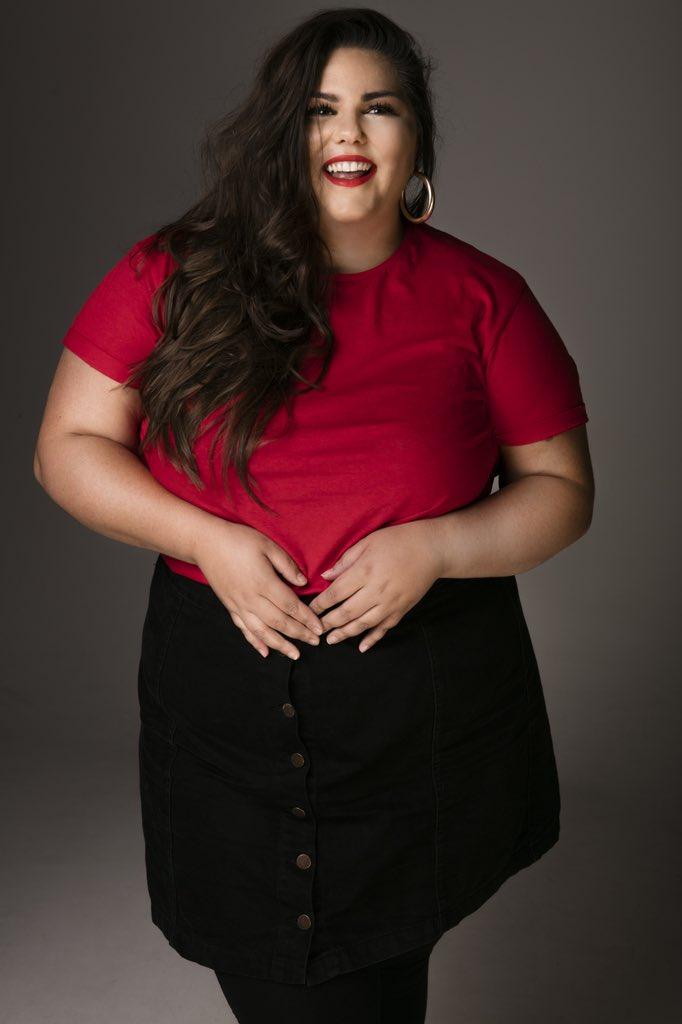
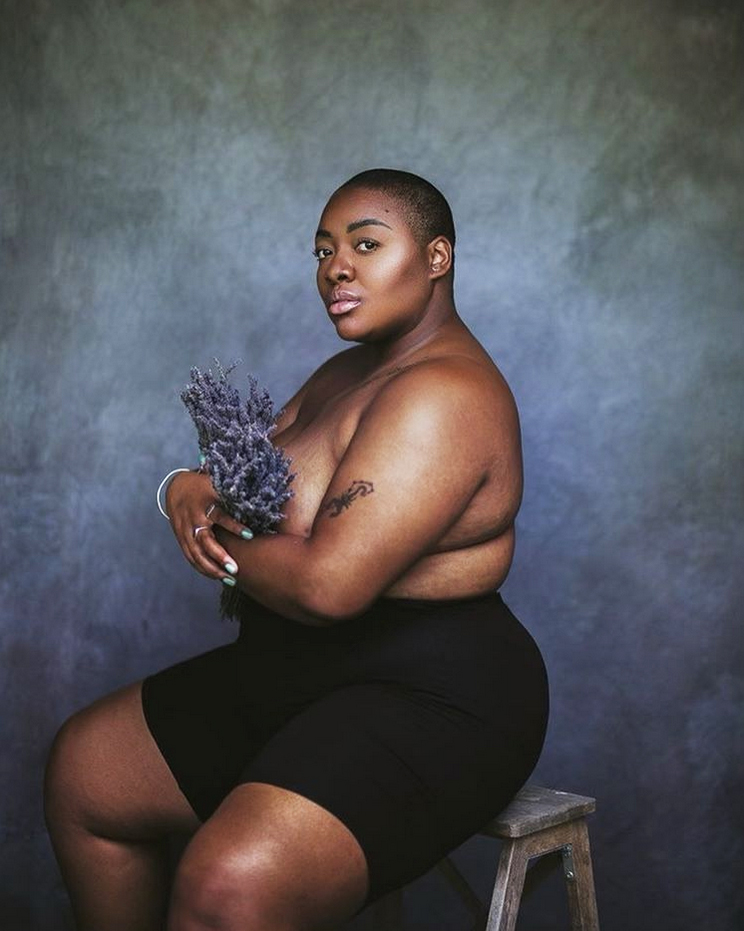
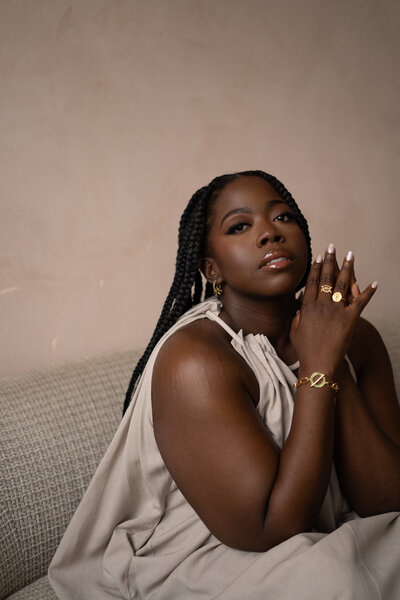

So, my answer to the question is no; mid-size is not anti-fat. It is not anti-fat as long as we remember where mid-size came from; as long as we do not settle for the acceptance of just mid-size bodies, but fat bodies too. The mid-size movement can come with a lot of ingrained and inner prejudice to fat bodies, so we need to work to untangle that on our own. We need to be advocates and allies and lift other people’s voices.
However, this is just my opinion. Tell me what you think. What work do mid-size folks need to do? What are your experiences as a mid-size or plus-size person? Tell me – do you think mid-size is anti-fat?
Rosie x
Instagram | Twitter | Pinterest | Bloglovin |
Educate & Donate: Stephen Lawrence Day | Stonewall UK | Survivor’s Trust | Mind |


 rosie abigail
Leave a reply to rosie abigail Cancel reply