
Friends, strap in; we are approaching asthma season. Or as it’s commonly known, autumn. Autumn, whilst being the superior season, is also a bit of a nightmare for asthmatics like me. The temperature changes, there’s pollen about, people start carrying around bugs, and it’s a time of stress for a lot of folks – all of which can be triggers for asthmatics.
Whilst I turn into an autumn girly as soon as the leaves start to turn, I hate the fact that I’ll have to deal with asthma flare ups. I’m not scared of the asthma itself – it’s been my companion since I was a child and I’m used to the whole “getting a cold to hospital admission” pipeline – I’m anxious of the responses it gets from other people. Every year, I prepare for narrowed eyed disbelief or unsolicited advice from non-medical people. It’s darn tiring.

You know what? I’ve had enough. And after reaching out to the community on Instagram, I think the asthmatic community has had enough too. Here are some of the most common things us asthmatics have been told, and what we really want you – the non-chronic community – to know.
“Come on, it’s only asthma.”
Starting off strong with a comment that reeks of belittling. I’m sorry if you’ve said this to someone before but it’s an absolute no-go to say. You might be unaware of the severity of asthma and only know the stereotypes, so let’s delve into some education.
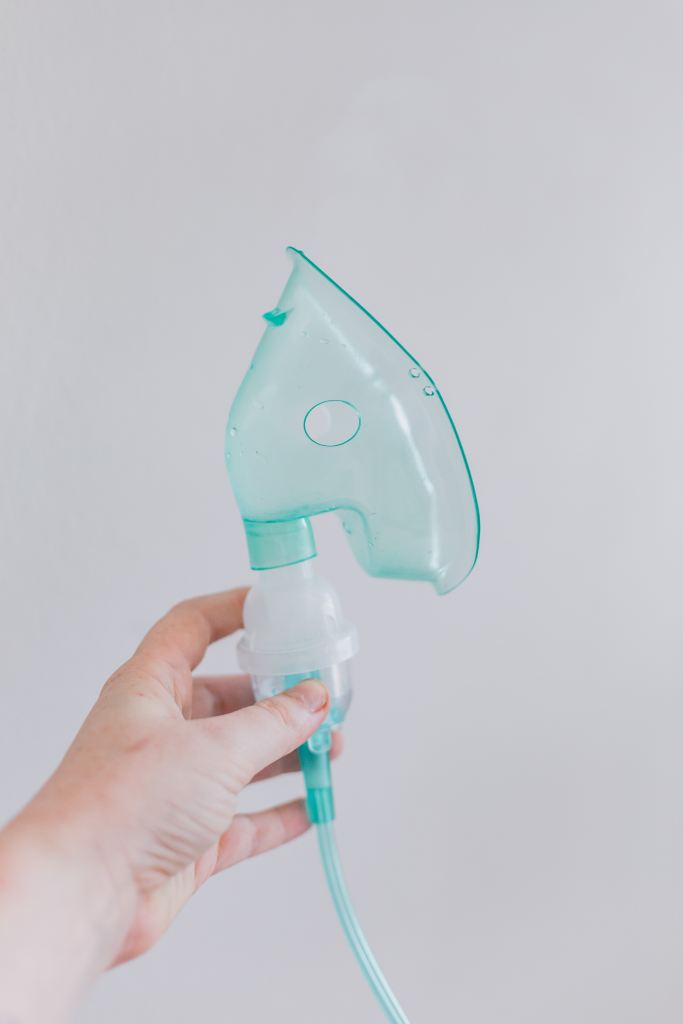
Asthma is a disease. It’s a disease that involves the tightening and swelling of the bronchial tree within the lungs. To put it simply, asthma reduces the body’s capacity to breathe. In the UK alone, over five million people have asthma. In the last seven years, over half a million people in the UK have died from lung conditions like asthma – that’s the equivalent of the entire population of the city of Glasgow. Asthma is also protected under the Equalities Act as a disability. And yet “it’s just asthma”?
Just because asthma can range in its severity, you should never belittle the danger of a condition that could kill you within a few minutes.
“Just take your inhaler, you’ll be fine”
I mean, kudos to you for knowing that an inhaler can help with asthma. But it is a short-term problem. Inhalers don’t get rid of asthma, they alleviate certain aspects of it. You are still asthmatic after an inhaler has been taken. A lot of asthmatics have two types of inhalers: the preventer, to take morning and evening to open the airways; and a reliever, to take as and when needed, normally after proximity to a trigger. Saying “just take your inhaler, you’ll be fine” to someone in the throes of an asthma attack is not useful. Perhaps try “have you taken your inhaler? Is it working? Shall I call an ambulance?” instead.
“You are just using your asthma to get out of exercising.”
Ooh this statement gives me flashbacks to secondary school. Slumped against a fence, inhaler in hand, watching classmates finish running the 500 metres, giving me daggers for having to tap out. So whilst my asthma did get me out of exercise, it was never a choice – I physically couldn’t breathe.
Yes, I know your cousin has asthma and jogs everyday. Yes, I know your best friend’s aunt’s niece does marathons and has asthma. Good for them. Asthma is not black and white – it is a condition full of shades of grey. For example, running causes extreme exercise-induced bronchoconstriction for me – yup, there’s a real term for that. But yoga? Dance? Swimming? HIIT? Watch me puff that inhaler and smash that workout. Also, exercise is just one trigger out of hundreds. Household cleaners, animal hair, pollution, pollen, weather changes – these are all triggers too, and believe me, I could go on.
Using asthma as an excuse to get out of exercise is part of a stereotype that is completely outdated. Most asthmatics I know exercise more than your normal person because they know the importance of keeping lung strength up. So don’t ever say someone is using it to get out of exercise again. Or I’ll set Paula Radcliffe and David Beckham on you.
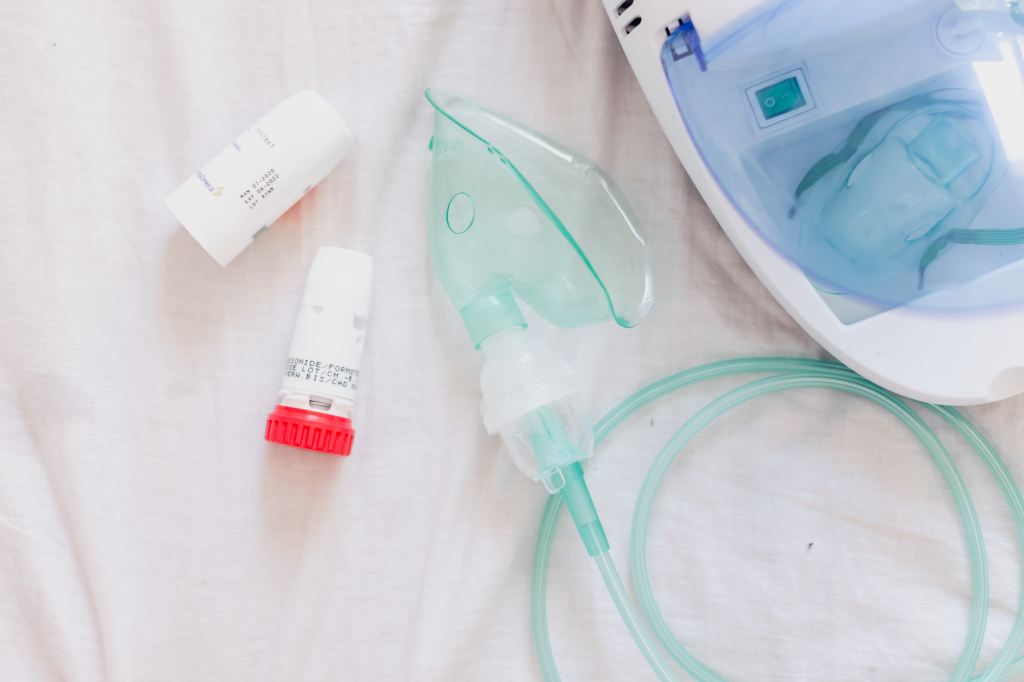
“Aren’t you a bit old to have asthma?”
No. It’s a disease. It doesn’t have an age boundary.
In the UK, asthma is the most common long-term medical condition for children and is stereotyped as a childhood condition or one you will grow out of. But it also affects one in every twelve adults and one in every eleven children, making it almost as prevalent in adult life. So no. I’m not too old to have asthma.
“It’s only a cold, stop being such a baby”
Now this is the one that grinds my wheezy gears the most. Here’s a fun fact for you – getting a simple cold has landed me in the hospital more times than I can remember. For a non-chronically ill person, a cold is a cold; it’s unpleasant for a few days and then you get over it. For an asthmatic? Worrisome.
Colds and flu tend to be rife in autumn and winter, a time where other triggers can also be hitting hard. A cold can easily lead to a chest infection – and will most likely do in my case. An infection on top of a diseased chest? Not good. This can very quickly lead to an asthma flare up or attack which spirals into a trip in an ambulance, oxygen masks and nebulisers, nights in hospital, and weeks of recovery. For most asthmatics (and by default, most chronically ill folks), it’s never just a cold.
It’s worry and stress and preparation and that’s even before we get one. Think about that the next time you go to a gathering when you have a cold.
“I can’t believe you are on steroids, they are so bad for you”
When we say we are on steroids, we aren’t downing anabolic steroids and pumping iron at the gym, you know.
The steroids in our inhalers and in emergency medication are corticosteroids – the body naturally produces this to help with inflammation. Us asthmatics just have more inflammation so we take these extra steroids on a daily basis through preventer inhalers or through emergency medication.
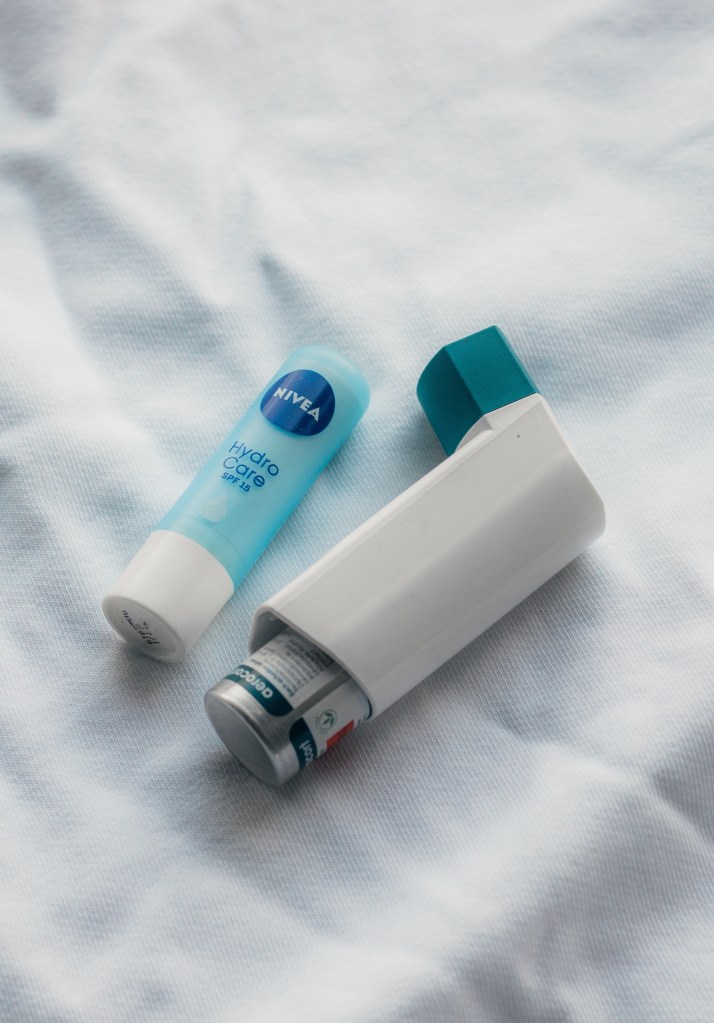
If I get a chest infection, I can guarantee that my GP will also give me some Prednisone corticosteroids to take alongside my antibiotics to ensure I get a sweet, sweet boost of anti-inflammation.
“You don’t look like you have asthma”/“Yeah, you look like you have asthma”
I’m sorry, can you see the inside of my bronchioles right now? If so, someone tell the NHS immediately and get you on staff – what a miracle! To say someone does or doesn’t have asthma based on their looks alone is purely reductionist and actually incredibly harmful in more ways than one.
We all know the stereotype about asthmatics, the one that film and TV still wants to push on us. People with asthma are overweight and weak. They are the timid nerds of the story. They don’t exercise and they don’t make friends. Think Piggy from The Lord of the Flies or Milhouse from The Simpsons. This stereotype has caused people to hide their asthma for fear of being ridiculed.
Furthermore, this stereotyping goes deeper into medical negligence. Yes, weight gain can be a trigger for asthmatics. And whilst we all (should) know that BMI is an incorrect measure of health, many medical practitioners will still use BMI as a way to gauge asthma. I’ve been told of so many asthmatics whose journey started with “your breathlessness is due to you gaining weight. Lose some and you’ll be fine.” Many lose weight, many don’t – but most end up having a delayed diagnosis which can put their life at risk – all because of fatphobia, outdated medical practice, and stereotypes.


Asthma is a disease. Sure, with modern medications and support it can be managed at times, but it can’t be cured. It’s anxiety inducing and life-threatening. It is a condition that means we can’t do the same things as you or your friends, and our experience will be entirely different to a fellow asthmatic’s.
It’s never ‘just asthma’. If there’s one thing we asthmatics want you to take away from this – it’s never just asthma. Please ask questions, do research, and realise the severity of this common disease. Think of that next time you want to question someone’s asthma credentials.
Asthmatic friends or supporters of those with asthma, feel free to add some more ‘things we want you to know’ to the comments below! It’s a wild world out there but we’ve got each other.
Thanks for reading,
Rosie x
Socials: Instagram | Twitter | Facebook | Pinterest | Tiktok
Educate & Donate: Verity PCOS | Mind | Stephen Lawrence Day Foundation | Stonewall |

 rosie abigail
Leave a comment