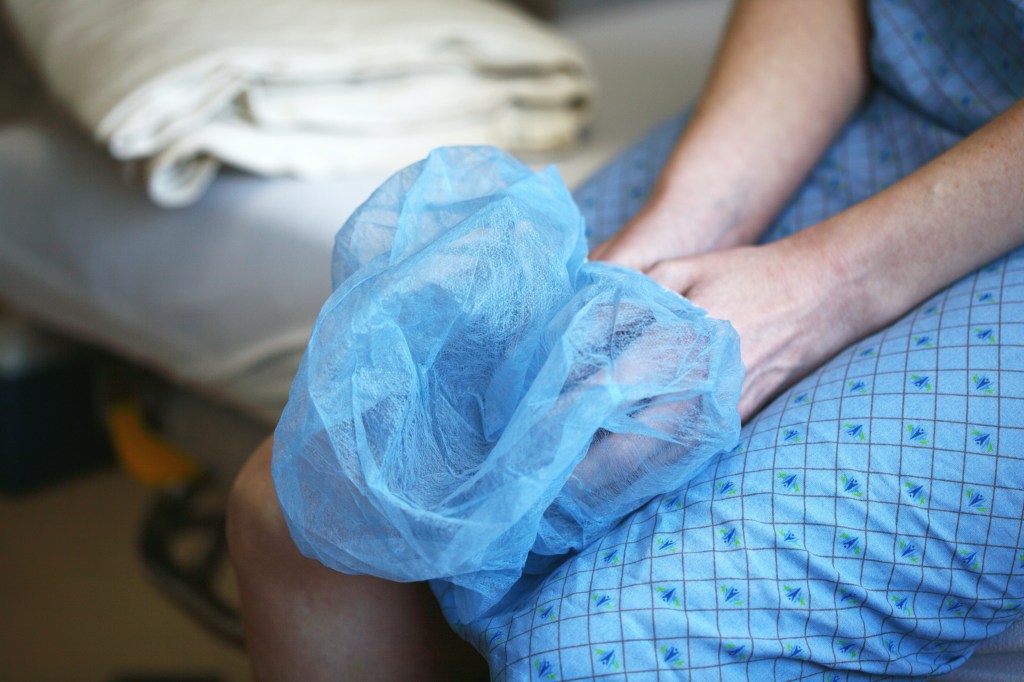
I can’t believe it is coming up to two years since I had the surgery that changed my life. There’s nothing like having some of your insides cut out to improve your quality of living. However, prepping for surgery isn’t as simple as you might think. But don’t worry, I’ve got your back.
I underwent laparoscopic surgery in the summer of 2024 to diagnose and treat the chronic disease endometriosis. As excellently defined by the NHS, endometriosis occurs when “cells similar to those in the lining of the womb (uterus) grow in other parts of the body.” For me, it gave me nearly nine years of pain, chronic fatigue, and period problems, as well as living with numerous cases of misdiagnoses. And the pain wasn’t just around my period, oh no – by the time surgery came around, I was relying on Tramadol to function and had to use my trusty walking stick to get out of bed.
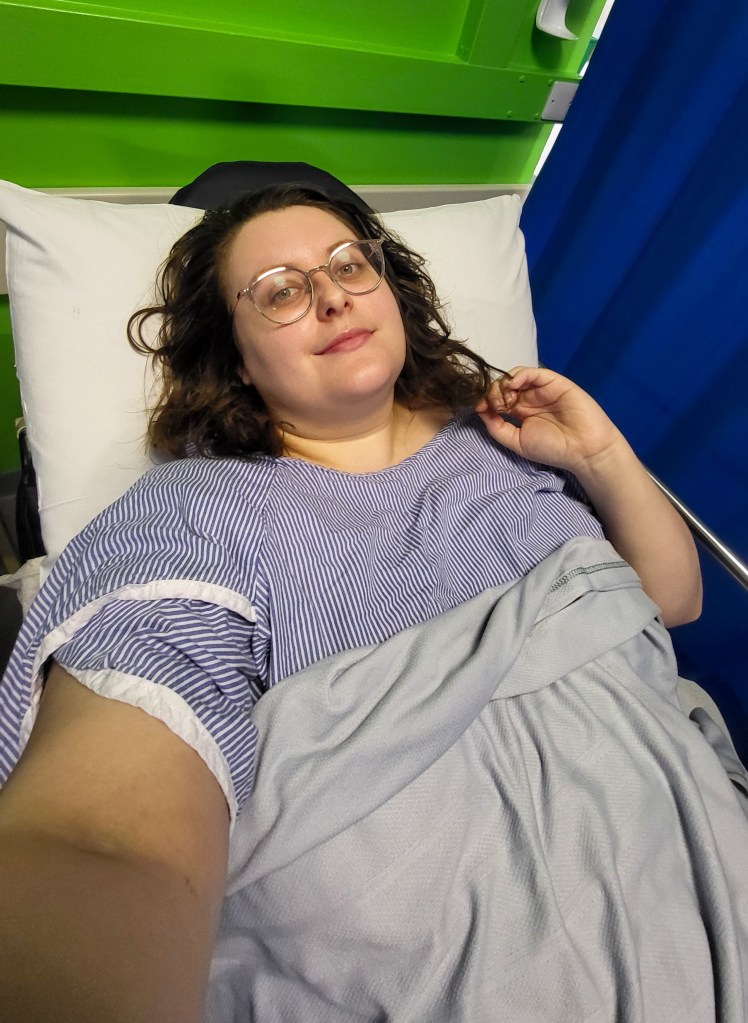
“…[endometriosis] gave me nearly nine years of pain, chronic fatigue, and period problems, as well as living with numerous cases of misdiagnoses.”
Having a laparoscopy has changed my life for the better – I have less chronic pain, better periods, more energy, and most importantly, it sorted out my fertility. But it’s no walk in the park. Having a laparoscopy involves going under anaesthetic, and that’s just for the diagnosis part of things. If they treat the endometriosis during surgery, they cut or laser away the invasive tissue, leaving wounds left to heal inside.
For those taking on the surgery, it’s important to accept you’ll be out of action for some time. The exact length depends on what they find when they are rooting around in you and how they remove the nasty bits. My best advice to you is to prepare. You don’t want to be missing your home comforts in the hospital, or getting home and realising you don’t have your medical comforts.
In the hospital
This is where the magic happens! AKA, you get opened up by a team of medical professionals. It’s likely you’ll be given a morning or afternoon slot to arrive, and there will be a lot of waiting around. You might be sent home after the op (like I was), or have to stay the night if they need to monitor you. Regardless of how long you’ll be in, here are my hospital essentials to keep you comfortable and calm before and after your surgery.
- Basics. We’re talking tooth brush, tooth paste, phone charger, ear plugs, body wash, hair brush etc. Anything you would need to help you go to bed or wake up in the morning, make sure it comes with you in case of an overnight stay.
- Loose pair of pyjamas. You want something that won’t tug your incision site so think soft or silky. Actually, make that two pairs in case you stay overnight or have a leakage (trust me, that’s very common)
- Dressing gown. You will be given a hospital gown to wear but they aren’t the warmest to be wearing when waiting around. Plus, it’s a little home comfort to make you feel at ease.
- Sticky socks. Those waiting rooms can get cold and slippy. You are in the gynaecological area of the hospital; let’s not trip and end up in another part.
- Entertainment. Pick something you can dip in and out of for when you get doctors and nurses popping in, preparing you for surgery. I took my Nintendo Switch and Animal Crossing to keep my brain busy.
- Big pants. I’m talking immense granny pants. In fact, the baggier the better around the stomach. Mine came right over the top of my belly button and didn’t irritate at all. Consider looking into maternity pants if you don’t already have off-white granny pants with the elastic gone in your drawer…
Going Home
I remember the first walk up the stairs to my bedroom after surgery – phew, it was tough going. But home is where you will get the rest you need to heal from the surgery and get your stamina back up. For me, my home essentials are split into two; what you need from a medical and recovery perspective, and what you need to feel warm, cosy, and well.
At Home – Medical
- Maternity pads. It’s almost a given that you will bleed after this surgery, and this is exactly what maternity pads are made for. I’d suggest the thicker the better; like sitting on a watertight cloud.
- Pain medication. They don’t give you any to take home! It’s likely you already have some strong ones if you live with endo so I’d recommend making sure you have enough for a week or two.
- Compression socks. These are for stopping blood clots after surgery. It’s likely you’ll be given these after the operation, but I do know some people prefer to get their own for sizing reasons. I’ll be honest, I really didn’t enjoy wearing the compression socks but I’d rather 24 hour sock wearing than a clot! And who knows, you may be one of the people who are given anti-coagulation medication instead.
- Peppermint tea. The gas they use to inflate your stomach for surgery stays in you for a while, and peppermint tea is a natural way to reduce that gas (and other gas, if you catch my drift…)
- Laxatives. Some people need these during the days post-surgery, as everything can get a bit swollen. Some folks don’t. It’s better to have them on hand just in case you are one of the unlucky ones.
Home – Comfort
- Snacks and drinks. Make sure they are your favourites! Recovering from surgery is not only hard physically but mentally too, so anything to brighten your day is a win. Oh, and keep them by your bed so you don’t have to get up.
- A BIG water bottle. Keeping hydrated will absolutely make recovery go easier for you. I had a big Stanley-style cup with me at all times, it saved so many trips to the kitchen to get water.
- Easily digestible foods and soups. With all the post-op swelling, your digestion may be weird for a few days. Having foods available that are easy to make and easy to eat will save you time and energy. I ate my body weight in packet chicken noodle soup for the few two weeks.
- LOTS of entertainment. Recovery is boring. You can’t be productive, get about easily, and your focus is shot. I got through my recovery by having a huge variety of boredom busters on hand; my favourite TV shows, games on the Nintendo Switch, mountains of books, and good old crosswords.
- Many pillows. And I mean many. You’ll need one to prop you up to read, one for you dinner plate, one between the legs when you sleep, one to stop the cat jumping on you – it’s a never ending list of pillows.
Whilst preparing absolutely is the way to go when undergoing surgery, if there is one piece of advice I would give you, it is this –
Give yourself patience and grace.
You’ve just gone through a surgery. You’ve had layers of skin and tissues cut open, been pumped with gas, and likely had bits trimmed off your internal organs. Your outside incision sites will heal quicker than the incisions inside, and it’s harder to pace what you cannot see. Give yourself time to physically heal, and don’t forget, your mental wellbeing will need some love too. Once my physical body had healed, that’s when the mental healing began.
Undergoing surgery for endometriosis truly is a journey, and if you are undertaking it, I am wishing you all the luck in the world! If you’ve already had this surgery, drop a comment to let everyone know what you found to be the most useful in terms of recovery. You’ve got this!
Love,
Rosie x
Socials: Instagram | Twitter | Facebook | Pinterest | Tiktok


 rosie abigail
Leave a comment